Understanding the true value of NFT digital assets can feel overwhelming, especially when prices range from a few dollars to millions overnight. In this guide, you will learn the core factors that drive NFT valuation, how to analyze rarity and utility, what market signals to watch, and how to make more informed decisions before buying or selling any digital asset.
What Are NFTs and Why Does Value Matter?
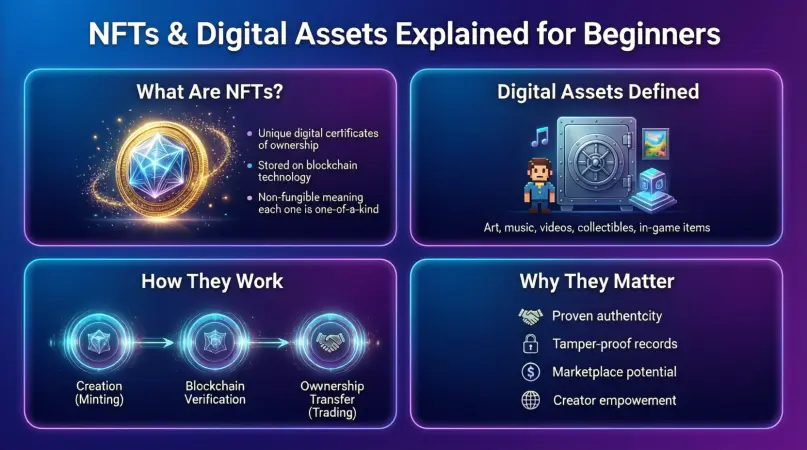
Non-fungible tokens, or NFTs, are unique digital assets verified on a blockchain. Unlike cryptocurrencies such as Bitcoin or Ethereum, each NFT carries distinct properties that make it one of a kind. This uniqueness is precisely what creates the foundation for value — but uniqueness alone does not guarantee worth. Knowing how to properly assess an NFT before committing your capital is a discipline that separates thoughtful collectors from impulsive buyers. The market rewards patient research and a clear framework for evaluation.
Rarity and Scarcity: The Foundation of NFT Value
Rarity is arguably the single most important factor when valuing an NFT. In any collection, certain traits appear far less frequently than others. A profile-picture NFT with a rare background, a unique accessory, or an unusual color combination will almost always command a higher price than a common variant from the same set. Tools like Rarity Tools and Rarity Sniper help assign numerical rarity scores so you can compare assets objectively. However, rarity within a low-quality or unpopular project still means little — the collection itself must carry demand for individual rarity scores to translate into real monetary value.
Utility and Real-World Application
Beyond aesthetics and scarcity, utility is a growing driver of NFT value. An NFT that grants access to exclusive communities, real-world events, merchandise drops, or in-game advantages holds a layer of value that purely aesthetic tokens do not. Projects that integrate token-gated content, staking rewards, or governance rights give holders tangible reasons to hold rather than sell. When evaluating utility, ask yourself whether the benefit is genuinely rare or easily replicable by a competing project. Sustainable utility tied to an active ecosystem tends to support long-term price floors better than short-term hype.
Creator Reputation and Project Credibility
The team behind an NFT project carries enormous weight in determining its value. Established artists with strong followings, proven track records, or endorsement can command premium prices simply through brand association. More critically, a project led by a transparent, doxxed team with a clear roadmap signals accountability. Anonymous teams are not automatically red flags in Web3 culture, but they do elevate risk. Research the creator's history, past projects, and community engagement on platforms like X (formerly Twitter) and Discord to get a clearer picture of whether the project has genuine long-term intent or exists solely for a quick profit.
Community Strength and Social Sentiment
NFT value is deeply social. A passionate community around a project sustains price floors, generates organic marketing, and attracts new buyers over time. Metrics worth watching include Discord member count and daily active participation, X follower growth, trading volume trends on places like OpenSea and Blur, and the quality of conversation happening around the project. High follower counts with low engagement can signal artificial inflation. Look for genuine discussion where people share, celebrate, and collectively advocate for the project. On-chain analysis tools like Nansen or Dune Analytics can give you a more data-driven view of community health.
Market Trends and Timing
The broader crypto market cycle has a direct impact on NFT valuations. During bull markets, liquidity flows freely and even mid-tier projects can see dramatic price appreciation. During bear markets or periods of low sentiment, even strong projects experience floor-price compression. Understanding where the overall market sits in its cycle helps contextualize individual NFT pricing. Additionally, monitor platform-specific trends — different blockchains such as Ethereum, Solana, and Polygon attract different collecting demographics, liquidity pools, and fee structures, all of which influence effective value.
Provenance and Historical Ownership
In traditional art markets, provenance — the documented history of an artwork's ownership — significantly affects value. The same principle applies in the NFT world. An NFT previously owned by a notable collector or institution gains a layer of cultural prestige that raises its perceived value. Blockchain transparency makes provenance verification straightforward; every transfer is permanently recorded on-chain. If you are looking at a high-value NFT, tracing its ownership history is a legitimate part of your due diligence.
Liquidity and Secondary Market Activity
Valuation means little if you cannot sell assets when you need to. Liquidity — how easily an asset can be bought or sold without a loss — is a practical consideration that many new collectors overlook. Check the daily and weekly trading volume of a collection. Low-volume collections can trap holders for extended periods. High listing-to-sales ratios may indicate oversupply or fading demand. Ideally, enter collections with a healthy spread of buyers and sellers to ensure your exit options remain flexible regardless of market conditions. In 2026, aggregation platforms and fractional ownership have improved liquidity access, but illiquidity remains one of the biggest NFT risks.
Intellectual Property and Licensing Rights
NFT ownership does not automatically confer copyright or commercial usage rights. Projects vary significantly in how much creative freedom they grant holders. Some, like the Bored Ape Yacht Club, have historically granted broad licensing rights to token holders — allowing them to build brands and media around their assets. Others retain their intellectual property at the project level. Understanding what you actually receive when purchasing an NFT affects its value, especially if you intend to leverage the asset for business purposes or content creation.
Conclusion
Valuing NFT digital assets requires looking beyond floor prices and hype. Rarity, utility beyond the token, creator credibility, community strength, market timing, provenance, liquidity, and intellectual property rights all interact to shape what an NFT is truly worth at any given moment. Approaching a potential purchase with this multi-layered framework will help you cut through speculation and identify assets with genuine, defensible value. The NFT space continues to mature — and those who combine analytical rigor with cultural awareness will consistently make better decisions than those who rely on momentum alone.
🚀 Deepen Your Digital Asset Knowledge
Keep learning with our complete library of crypto guides
✓ Free guides ✓ Beginner friendly ✓ Beginner to advanced
Browse All Guides →Frequently Asked Questions
What is the most important factor in NFT valuation?
Rarity and scarcity are the foundation of NFT value, but utility and community strength are increasingly important. A truly valuable NFT combines scarcity with genuine use-case and an engaged community that drives sustained demand.
Why do some NFTs sell for millions while others are worthless?
Market value is driven by perceived value: rarity traits, creator reputation, community strength, historical significance, and utility. Many NFTs have none of these factors, making them essentially valueless. The assets command attention only when multiple value drivers align.
What is a "price floor" in NFT markets?
The floor price is the lowest listed asking price for any NFT within a specific collection. It represents the entry cost to purchase from that collection and is the most commonly cited metric for tracking underestimated performance.
How often should I revalue my NFT portfolio?
Re-evaluate your portfolio monthly and whenever major market cycles shift. Track floor prices, 30-day trading volume, and community sentiment. Being systematic about valuation prevents emotional decisions when you sell.
What tools can help me value NFTs accurately?
Popular tools include Rarity Tools and Rarity Sniper for rarity analysis, Nansen and Dune Analytics for on-chain data, and OpenSea/Blur for market data. Combining these gives you a layered, objective view of any NFT's worth.